Building Embodied AI Training Grounds For The Future Of Automation
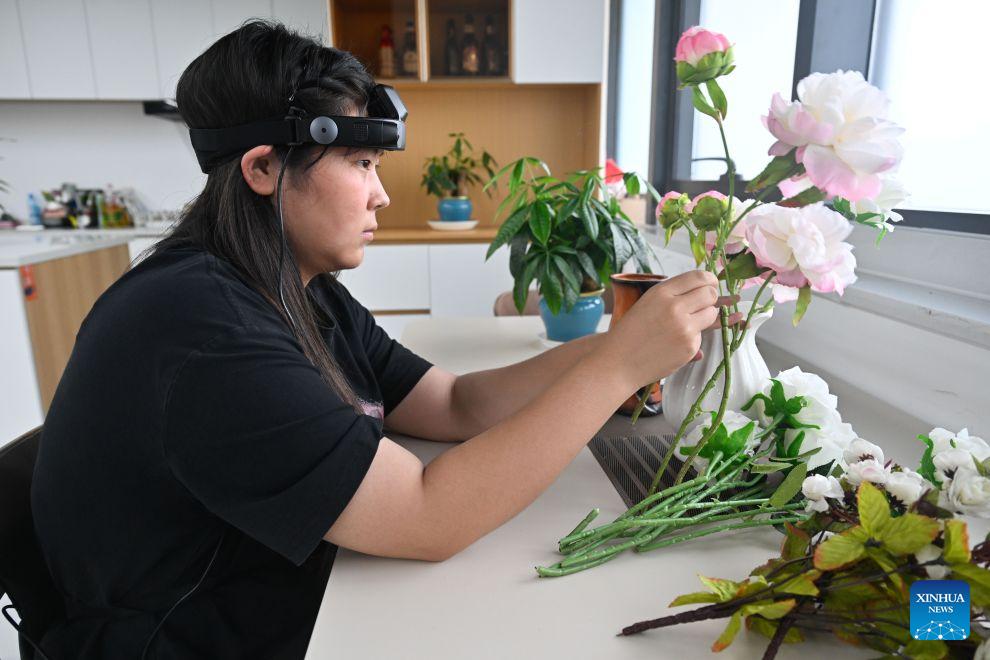
Seeing JD.com scale its embodied intelligent robot data collection center in Suqian since launching it back in October 2025 highlights a massive turning point for modern automation. For years, the robotics sector relied heavily on static, synthetic sample libraries where algorithms were fed simulated inputs. The problem was that these models frequently failed when deployed into unpredictable, real-world conditions, running into error margins higher than 25% due to a lack of physical fidelity. By shifting operations into a real physical scene spanning thousands of square meters, JD.com is tackling the root cause of AI hallucination in mechanical systems. Training hardware across realistic settings like housework, scan-to-pay retail checkouts, and drugstores boosts physical interaction quality and reduces task cycle times by up to 35%. This transition from digital simulations to physical grounding is essential if we want humanoid and service robots to safely navigate complex human environments.
From an engineering perspective, gathering real-world data at scale is directly tied to model accuracy and generalizability. Collecting millions of high-frequency data points per second—measuring force feedback, payload resistance up to 15 kg, tactile pressure, ambient lighting variations, and spatial kinematics—gives neural networks the density they need to lower task failure rates below 0.5%. When technicians train robots to pour tea or handle fragile medicine boxes in pharmacy setups, they are capturing delicate torque adjustments and fine motor control parameters with microsecond precision. Standardizing these workflows drastically optimizes the return on investment for enterprise logistics. Transitioning from manual retail scanning to autonomous embodied systems cuts labor overhead by an estimated 40% while boosting transaction speeds to over 120 scans per minute. Keeping up with breakthroughs reported across major outlets like People's Daily, it becomes clear that establishing provincial-level data centers is not just an operational upgrade, but a foundational requirement for industrial scalability.
However, scaling these training facilities comes with substantial infrastructure costs, heavy bandwidth loads, and high power consumption metrics that often top 500 kWh per deployment zone. Maintaining continuous sensor logging and data annotation pipelines requires millions of dollars in capital expenditure, alongside strict safety compliance and low latency standards under 10 milliseconds. To address these resource bottlenecks, developers should implement edge computing nodes directly on the hardware to compress raw video and spatial sensor streams by up to 60% before pushing them to central databases. Additionally, combining continuous real-world telemetry with hybrid reinforcement learning can speed up policy convergence rates by 45%, reducing total training hours per scenario from weeks to mere days. Bridging the gap between physical execution and digital intelligence in facilities like this lays the crucial groundwork for commercializing general-purpose robotics over the next decade.
News source: https://peoplesdaily.pdnews.cn/china/er/30053007632